
Ipoh - A matter of taste
- atricgery
- Jan 13, 2025
- 2 min read

17 December 2024
Ipoh is the state capital of Perak and is one of the largest cities in Malaysia. Located 250km north of Kuala Lumpur, about 4 hours by bus up the main highway, it was developed during Malaysia’s tin mining boom. That is now long gone but the city is now staging a comeback as one of the country’s hippest destinations (fueled by its growing reputation for cuisine and the explosion of hip coffee shops (kedai kopi).
The city is divided into two parts – Old Town and New Town separated by the Kinta River. Most visitors, like we did, spend their time in the Old Town. That’s where the train station (known as the “Taj Mahal”), heritage buildings, Little India and most of the street art are located.


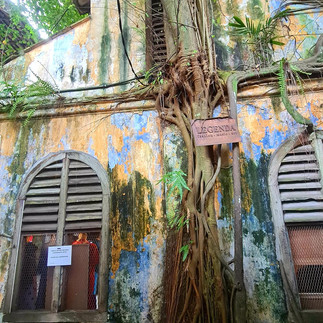
The city is very photogenic, from the colourful, beautifully restored buildings (even the dilapidated ones looked great), with its pleasing colonial architecture, daily life and cats to food and decorations, it was all worth capturing. The most famous street art are the seven artworks of the Ipoh Mural Art Trail by Ernest Zacharevic (yes, the same one who was active in Penang) but if you stroll around long enough you’ll also find hidden gems by local artists.


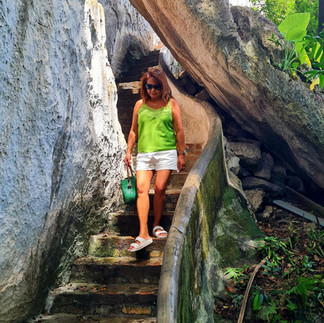
Ipoh is flanked by towering white cliffs, some with magnificent cave temples pocketed in the limestone. We visited Perak Tong, developed in 1926 by Chinese Buddhists Chong Sen Yee and his wife. This temple is popular for its mesmerizing murals and panoramic views. The first staircase leads to a majestic seated Buddha (12m tall) in the main chamber. Following the staircase up and outside, after 450 steep steps you'll reach expansive views across Ipoh and its hilly beyond.




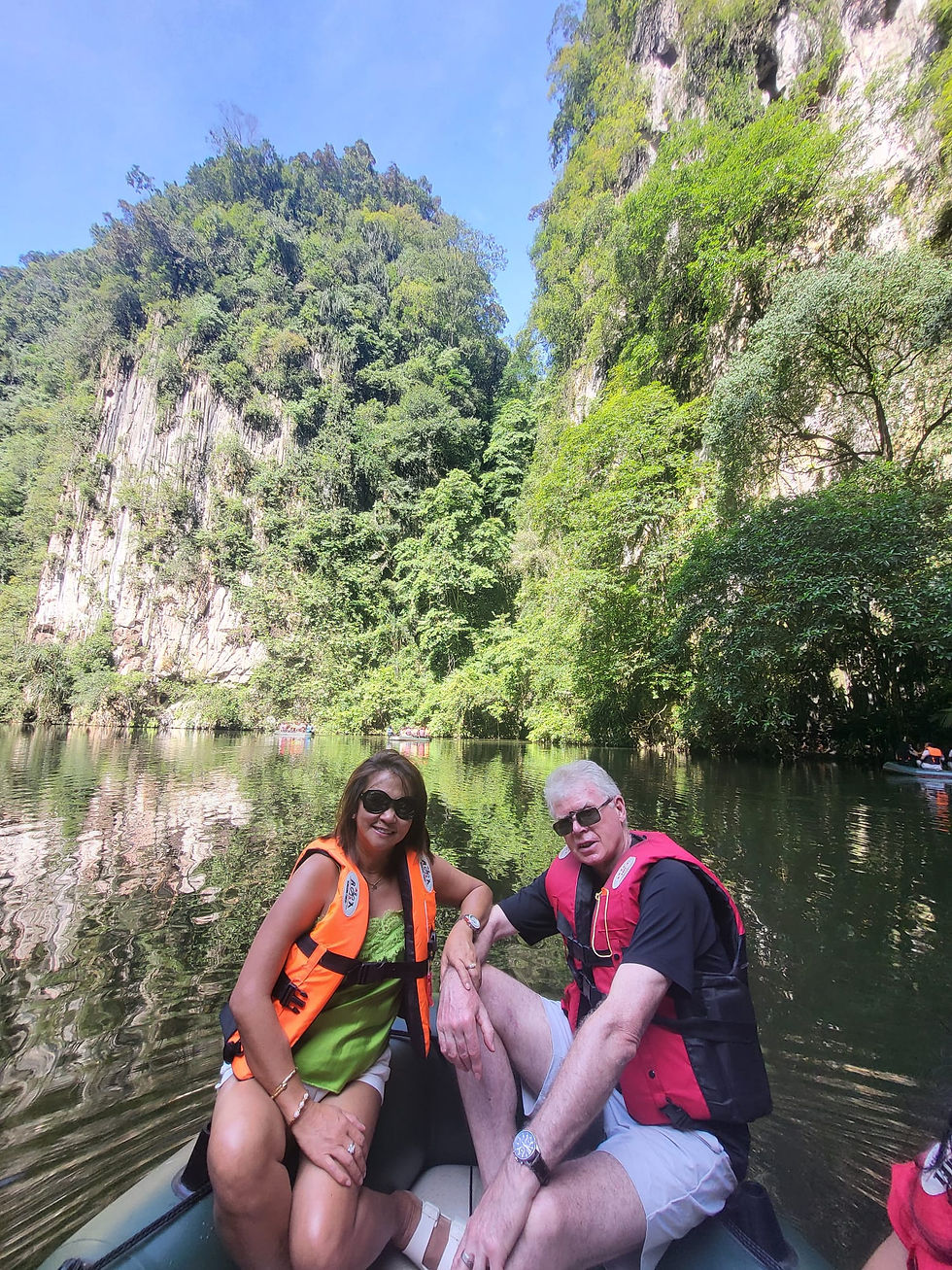
Another attraction hidden in the limestone cliffs is Mirror Lake (Tasik Cermin) (Mirror Lake) which can be crossed in a small boat, offering nice scenic views.
Another landmark site in Ipoh is Kellie's Castle, an unfinished ruined mansion, located about 30 minutes from the city.
It was built by a Scottish planter named William Kellie-Smith in 1915 and who had made his fortune in the rubber business. Unfortunately, he died of pneumonia while on a trip to Europe at the age of 56 and his wife moved back to England.

Construction on the castle was never completed and it was left abandoned in the jungle. The mansion combines several architecture styles – Moorish, Indo-Saracenic and Roman – and offers scenic views of the surrounding area.
Ipoh is famous for her street and Cantonese cuisine, of which the most famous is probably Nga Choi Kai (Bean Sprout Chicken). Smooth Ipoh Kuay teow, soup or dry, is served with succulent chicken and plump bean sprouts. There are also the sides like chicken feet, gizzard, liver and pork meatballs. We enjoyed ours at Lou Wong in the Old Town.
After an interesting stay in Ipoh, we took a three hour bus ride, followed by a short ferry, to Georgetown in Penang from where a few days later we would fly to our next destination in Malaysia, the island of Langkawi.


Comments