
Chile - Part 3: Arica
- atricgery
- Aug 19, 2025
- 2 min read

5 May 2025
I admit it. Arica was a mistake. It took us a 10 hour bus ride to get there from San Pedro when we could have gone directly to the Uyuni Salt Flats in Bolivia instead. We would eventually go there on a round trip by bus from La Paz. The direct route would have saved us a lot of time and expense. Hindsight is a great thing. But as the lady said, “traveling is not something you’re good at. It’s something you do.” (Gayle Forman).
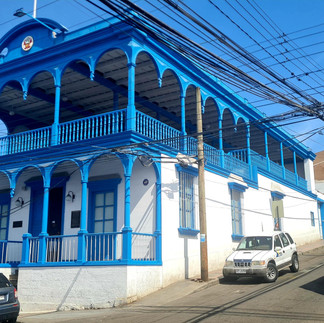
Not that we had any issues with Arica. We stayed in a comfortable hotel near the beach and spent a relaxing weekend there before moving on. The city lies along the Pacific coast and is fringed on its southern edge by sand dunes of the rainless Atacama Desert (yes, the same one). It is situated just 18km south of the Peruvian border and is an important port for a large inland region of South America. It still serves as a free port for Bolivia and manages a substantial part of that country's trade.
Founded as Villa de San Marcos de Arica in 1541 on the site of a pre-Columbian settlement, by 1545, it had become the main export entrepot for Bolivian silver coming down from Potosí, which then possessed the world's largest silver mine. Arica thus held a crucial role as one of the leading ports of the Spanish Empire. These enviable riches made Arica the target for pirates, buccaneers, and privateers. Among those who looted the city was Francis Drake (whom we would also come across later in Cartagena in Colombia).
Those heady days are long gone and the pace of Arica today is much more sedate. There’s a cool pedestrian mall to wander around and decent brown-sugar beaches just a short walk from the town centre. The main landmark is the cliff-top War of the Pacific battlefield at El Morro, a tall, nearly-vertical rock formation and hill located in the city. It makes a great place to get your bearings, with vulture-eye views of the city, port and Pacific Ocean.
This lofty headland was the site of a crucial battle in 1880, a year into the War of the Pacific, when the Chilean army assaulted and took El Morro from Peruvian forces in less than an hour. The story of El Morro is told step by step in the flag-waving Museo Histórico y de Armas.
The other local attraction is the Museo de Sitio Colón 10, a tiny museum below El Morro featuring 32 excavated Chinchorro mummies in situ. They were discovered when an architect bought this former private home with the intention of converting it into a hotel. The glass-protected bodies can be viewed as they were found, in the sand below the floors, in different positions, complete with their funerary bundles, skins and feathers of marine fowl.




Comments