
Brazil - Part 2 (Salvador, Morro, Foz de Iguacu)
- atricgery
- Jul 16, 2025
- 3 min read
Updated: Jul 21, 2025
4 April 2025

Salvador de Bahia
We had been told to avoid this place, too dangerous they said. Luckily, we did not heed them for it turned out that it was actually a highlight of our stay in Brazil.
Salvador was the home of the first slave market in the New World (in 1558); the blending of European, African and Amerindian cultures has created over time a unique energy and beauty. Once Portugal's colonial capital, Salvador has become the beating heart of the country’s Afro-Brazilian community. Festivals are seemingly an almost daily occurrence, with drum corps pounding out rhythms against the backdrop of historic buildings. Elsewhere in town, a different spirit flows as crowds of religious adherents celebrate African gods at Candomblé ceremonies. We had never been to any other place where the culture of those brought as enslaved people from Africa has been preserved the way it has been in Salvador – from music and religion to food, dance and martial-arts traditions.
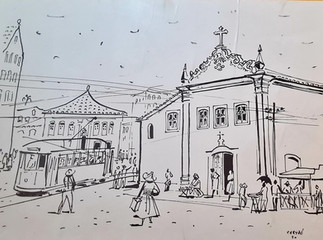
Our boarding house, Pousada de Mangueira, was located just outside the old town and was a perfect base for exploring Pelourinho, the historic neighbourhood, with its cobbled streets, old churches, pastel-coloured colonial buildings, grand palaces and bustling plazas. The best views could be had from the Elevator Lacerda, which connects the old town to the new town below it. We also spent a few hours sitting at a sidewalk café to soak up the incredible carnival atmosphere. A few other highlights of what we saw include the Church of Our Lady of the Rosary of the Black People, Mercado Modelo, San Joaquim Market, Carnival Museum, Restaurante Escola Senac (traditional Bahian cuisine), the 16th century Santa Casa de Misericordia (hospital/church) and the Theatro Miguel Santana (home of the Balé Folclórico da Bahia (BFB), a renowned dance company whose performances showcase the African ancestry of Salvador through various dances and rituals (not to be missed).








Morro de Sao Paulo
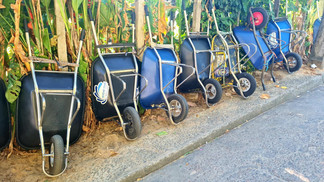
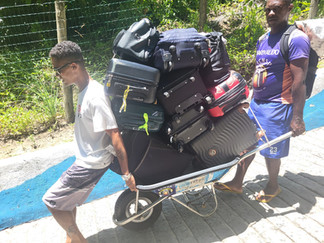
Morro de São Paulo is a village in the northern tip of the Tinharé island in Bahia. It is reachable only by boat (a four hour journey in all from Salvador by ferry, bus and finally, speedboat). The island is car-free (having no paved roads) and care-free, with four sandy beaches backing on to a tropical rainforest and accessible on foot only.
We stayed at the Aquarela Pasada, a charming guest house surrounded by the native forest that could be viewed from the balcony of our villa. The owners were very friendly and served a delicious breakfast. Indeed, we came across a number of very good restaurants there, such as the Papoula (great menu at very reasonable prices) and the Panela de Barro (we tried the fish stew in a clay pot, recommended). We spent the perfect lazy Sunday, exploring the ancient ruins of the 17th century fortress, eating good food, beachcombing or just chilling and enjoying the island vibe. Total relaxation. The next day we did the reverse trip back to Salvador to fly to Iguazu Falls.






Iguazu Falls
Iguazu Falls is a world’s largest waterfall system, extending for almost 3 kilometres along the Brazilian/Argentinian border and featuring 275 individual waterfalls each up to 80m high cascading over a horseshoe-shaped precipice. Surrounded by a subtropical rainforest, it truly is an astounding sight.
We decided to visit both sides for the complete experience. On the Brazil side (accessed with an Uber from the town of Foz de Iguacu), there were more panoramic views of the entire falls system, allowing us to really appreciate the grandeur and scale of it all. We also took the boat tour from there which brought us right to the base of the falls. Needless to say, we were completely drenched by the thundering cascades of water falling from above us. Mylene thought it was just great, I appreciated the soaking rather less!



Comments