
Brazil - Part 1 (Rio, Paraty, Sao Paulo)
- atricgery
- Jul 11, 2025
- 3 min read
Updated: Jul 15, 2025
27 March 2025
After a gruelling 48 hour non-stop journey from Palawan via Manila, Hong Kong and Madrid, we landed in Rio de Janeiro in the evening of 18th March 2025 to begin our three month tour of South America.
We had more or less an idea of how we wanted to spend the next three months, what we absolutely wanted to see and do, and what we thought we would probably leave out. However, the idea was to avoid booking ahead so that we could remain flexible and adapt our plans based on our own experiences or those of other travelers we may meet on the road.
Rio de Janeiro
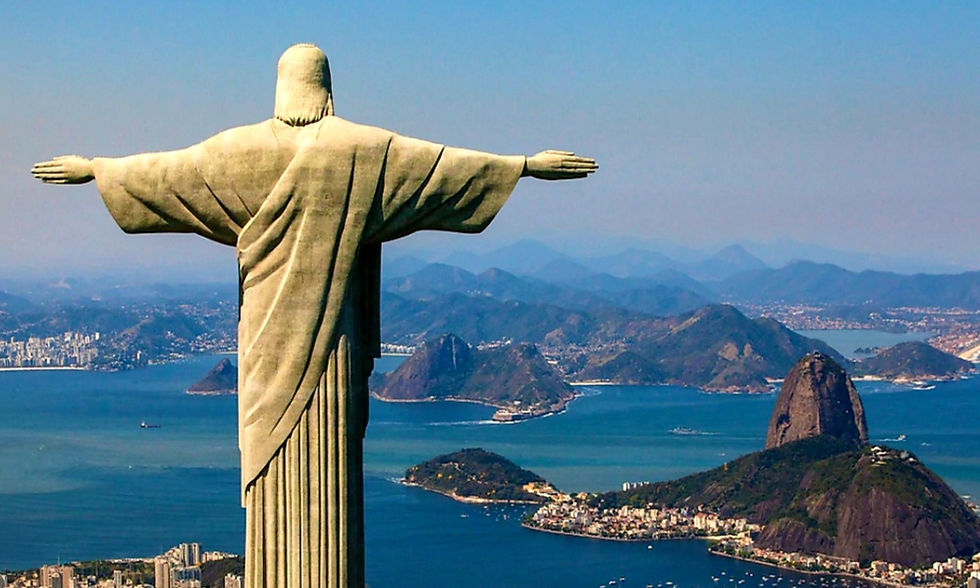
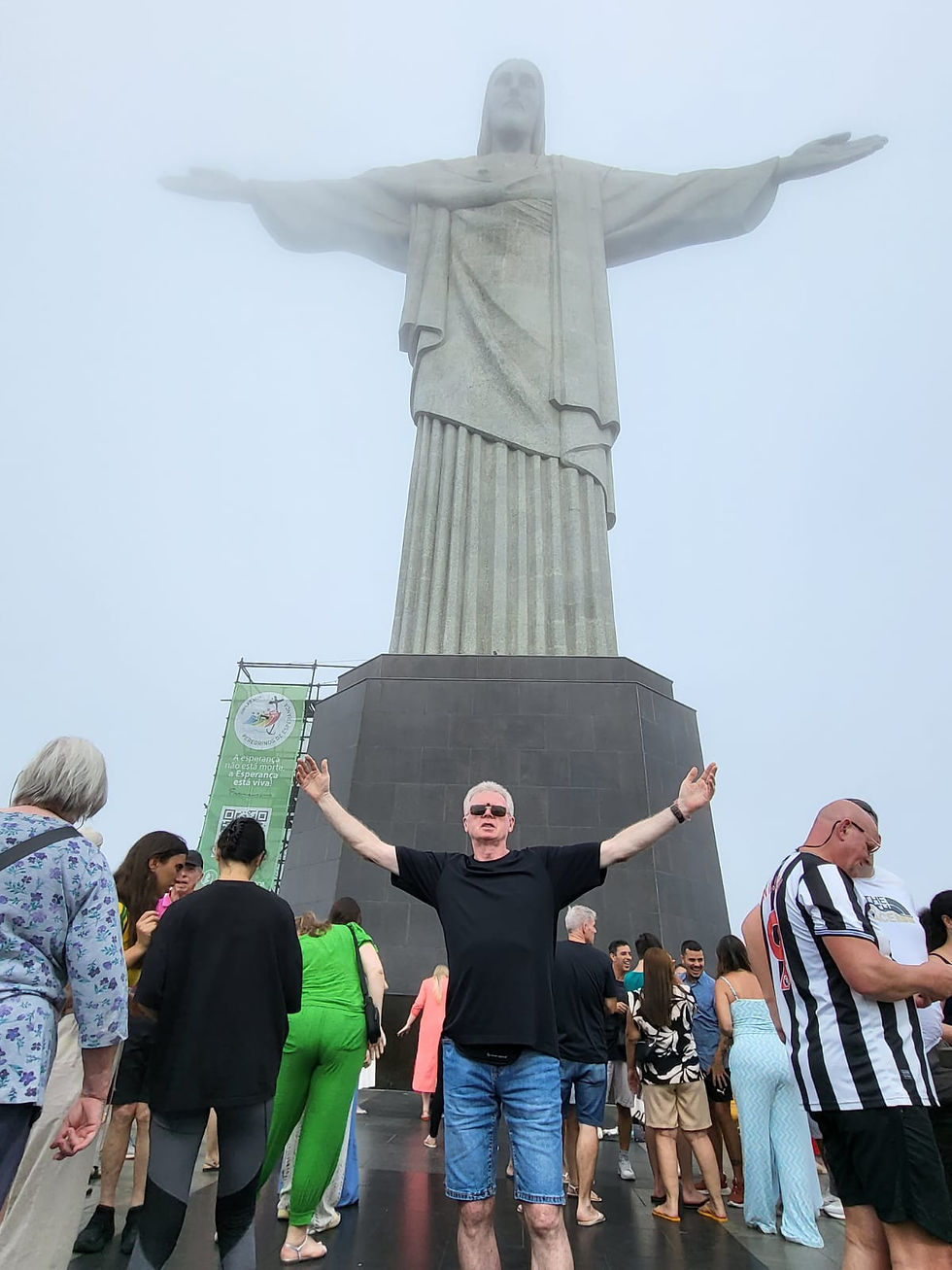
We would stay four nights in Rio and if truth be told, it was a disappointment. The city, which we found noisy and chaotic, lives principally (from a tourism point of view) off a handful of iconic assets, such as the Christ the Redeemer, statue, Sugar Loaf Mountain and its beaches (Copacabana and Ipema). Maybe we were just unlucky – the weather was cloudy and humid and so we saw nothing from the huge statue; we also missed out on the cable car ride to the top of Sugar Loaf because all the tickets had been sold out that day. Copacabana failed to thrill us, hardly competing with what the Philippines can offer in terms of a beautiful white sandy beach or calm, inviting waves.
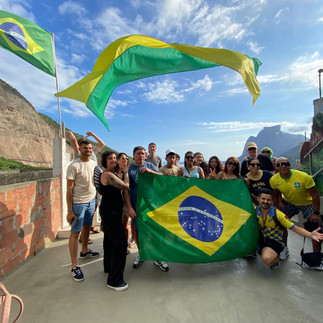
Even the Favela tour failed to live up to the hype, the biggest issue not being the sense of insecurity but the nauseating odours of the mountains of trash stacked up by the side of the road. We were shocked too by the number of homeless and drop-outs to be found everywhere, but especially in the vibrant, bohemian Lapa neighbourhood. Here we also came across the Escadaria Selaron, an iconic stairway with a mosaic of hand-painted tiles. In the end however, we were somewhat relieved to check out of our hotel, located in the busy Fluminense district (where the samba rhythms do literally beat all night) and we took a bus for Paraty, some five hours away along the coast.




Paraty
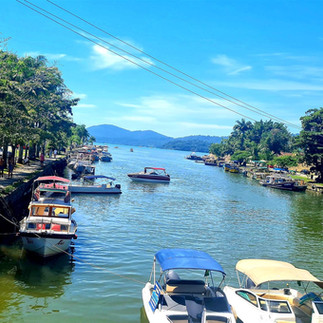
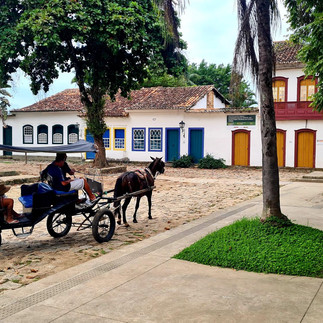
Paraty is a wonderfully preserved colonial town founded by the Portuguese in the 16th century. Backed by steep, jungled mountains plunging into an island-studded bay, it offers a truly spectacular setting. Its pedestrianized streets are lined with elegant white buildings adorned with fanciful multihued borders and latticed windows that blend harmoniously with the natural beauty that envelops the town – it's a joy to explore (despite the ankle-twisting irregular cobblestones!)
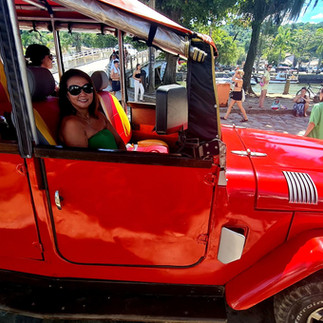
We stayed just outside the historic town centre at the Eliconial Pousada (hosted by Rick, recommended), close to Jabaquara Beach, which was frequented mainly by locals enjoying the cool, relaxed ocean vibe and tasting the delicious seafood from one of the many beach restaurants. A jeep tour took us to Cachoeira do Iriri Waterfalls in a neighbouring forest park, Parantaina Distillery (to taste cachaca, a hard liquor made from sugarcane grown in the region) and Manioc Flour Mill. That evening we ended our short stay in Paraty with an excellent fish stew (moqueca) at Captain Folk, close to our B&B.







Sao Paulo
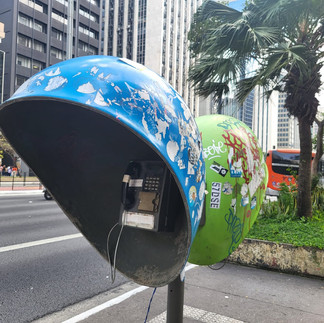
We found Sao Paulo to be more authentically Brazilian than Rio, even if the homeless situation there, if anything, appeared to be worse. A highlight was definitely roaming around the up-market Avenida Paulista, the main business quarter of Sao Paulo. The streets are lined with museums, parks, galleries and shops, with a mix of modern and classical architecture (such as the Casas Rosas). The MASP was a totally unique if somewhat smallish modern art museum that was well worth the visit, combining classical European masterpieces with a collection of Brazilian and other Latin American art.
We also stopped off at the Museu do Futbol, a must do in this country where football is a religion. It pays homage to the past glories of Brazilian football (and there are many) but more than that, it is also a history of the Brazilian people themselves. Batman Alley, with its stunning street art and bohemian cafes dotted around it, is also a must do in Sao Paulo. But perhaps the most impressive museum was the Japanese Museum of Immigration, which narrates the rich and complex story of the Japanese immigrants and their significant influence on the cultural fabric of Brazil through a wonderful collection of photographs, documents, and personal artifacts.







Comments